Build it in-house
I coded the site myself, inside engineering's review and deploy process.
How I built the Evergreen.ai site and its article template, then put a search library behind release flags so marketing could launch each page itself.
Evergreen.ai was the company's new consumer brand. It needed a marketing site that explained an AI money app, and a library of articles that could show up in Google and in AI answers from the first day.
The site lived in engineering's Next.js codebase, not a marketing CMS. Each page needed to sit dark and go live on command, whenever the launch date landed.
Each page is an advertisement under the SEC Marketing Rule. Marketing needed to ship more than a hundred approved pages without waiting on a code release for each one.
I coded the site myself, inside engineering's review and deploy process.
Each article runs on one template, with the AI advisor embedded in the page, so a reader can ask about their own situation without leaving the article.
As business owner of the release-flag work, I made sure each launch page had a release flag in place before launch. Each page could ship dark and go live without a code deploy.
I steered launch content to the equity and tax topics our audience searched for: RSUs, ISOs, tax-loss harvesting, QSBS. After launch, each new topic came with keyword, difficulty and volume data attached.
97% of the keywords in our content plan returned a Google AI Overview, so the plan went AEO-first.
I built the homepage, About, the resources hub and the article template hands-on, then led the redesign of the core site for launch.
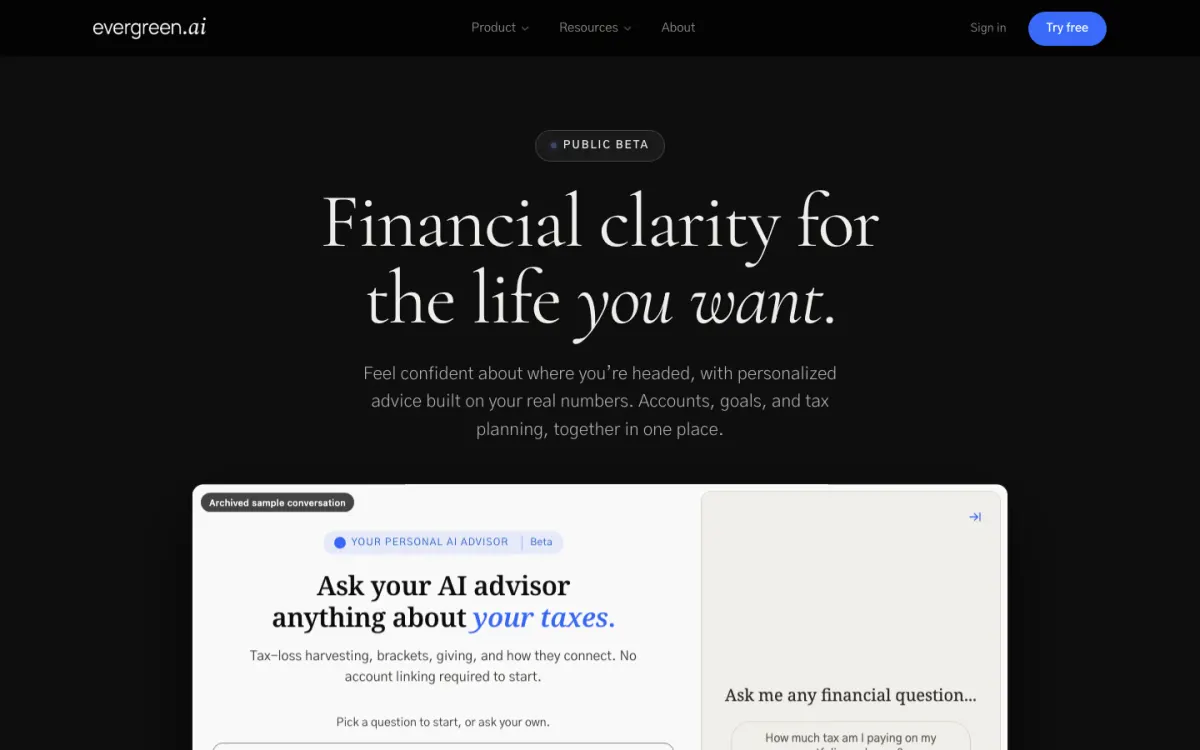
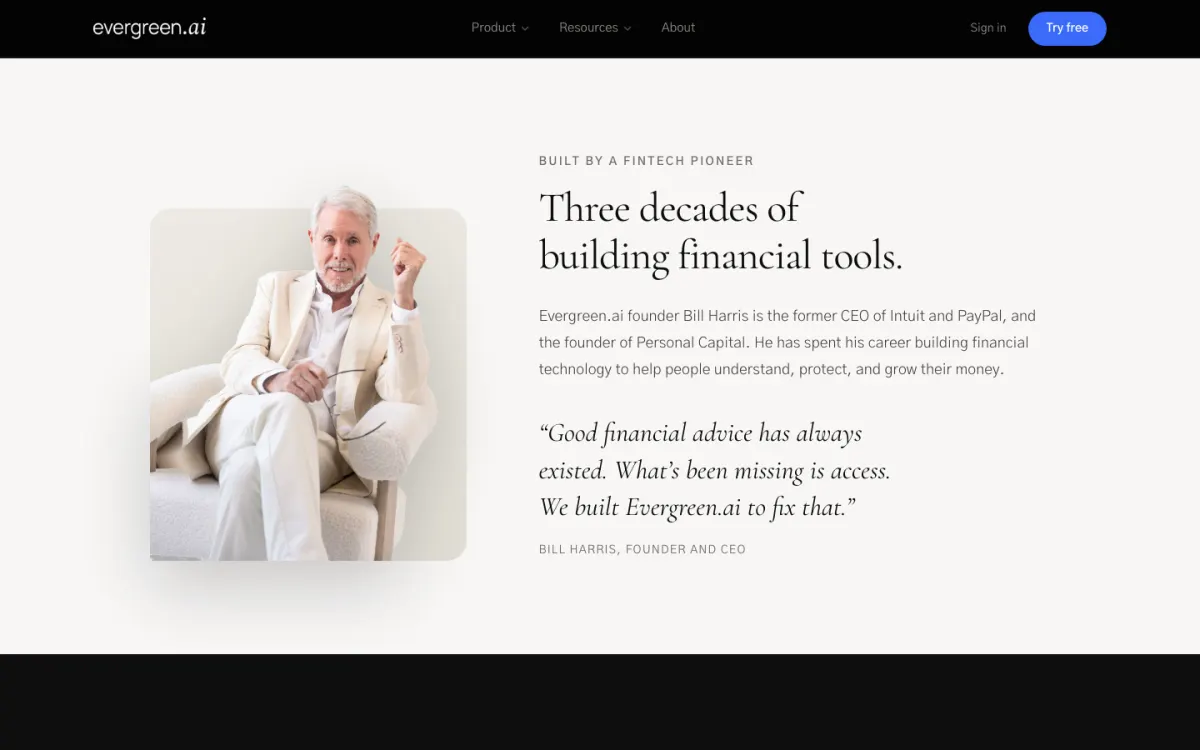
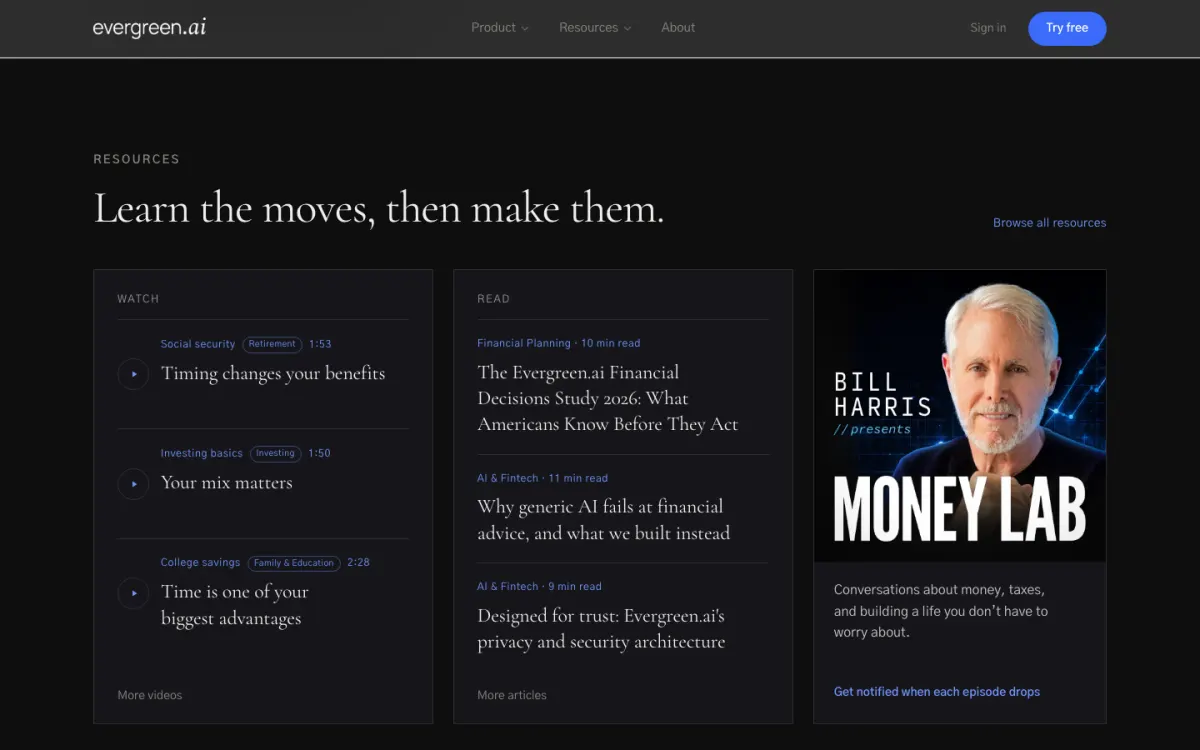
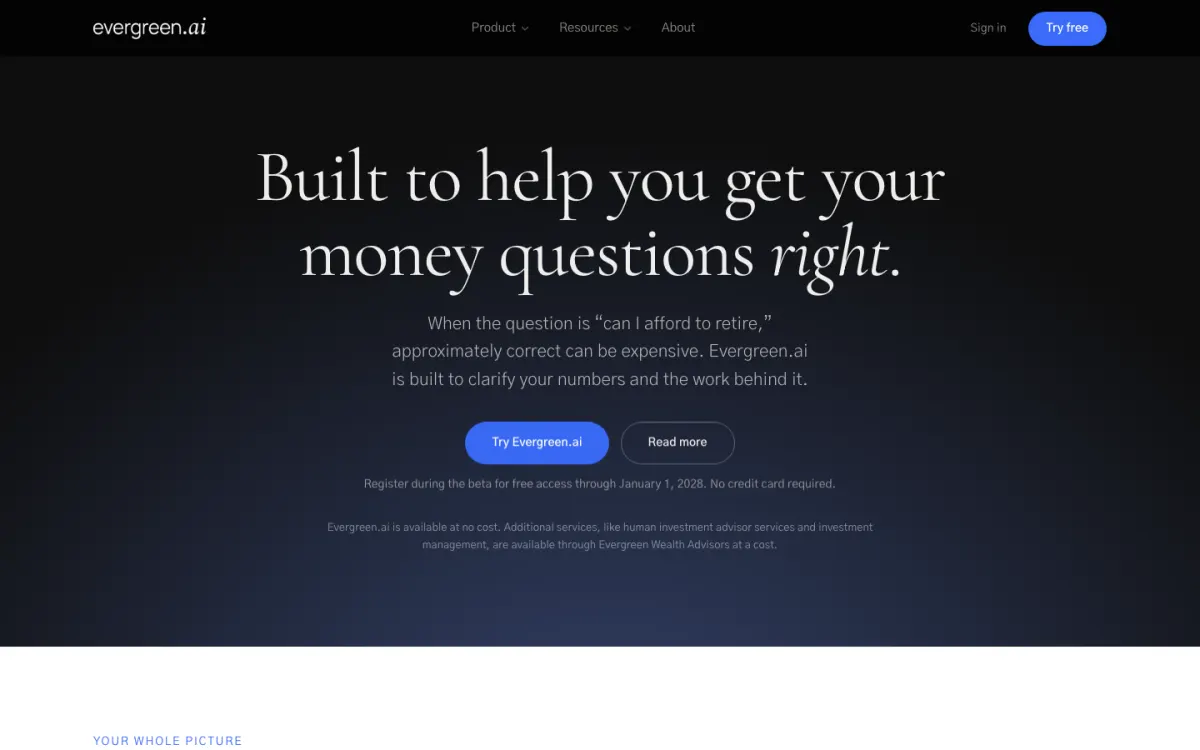
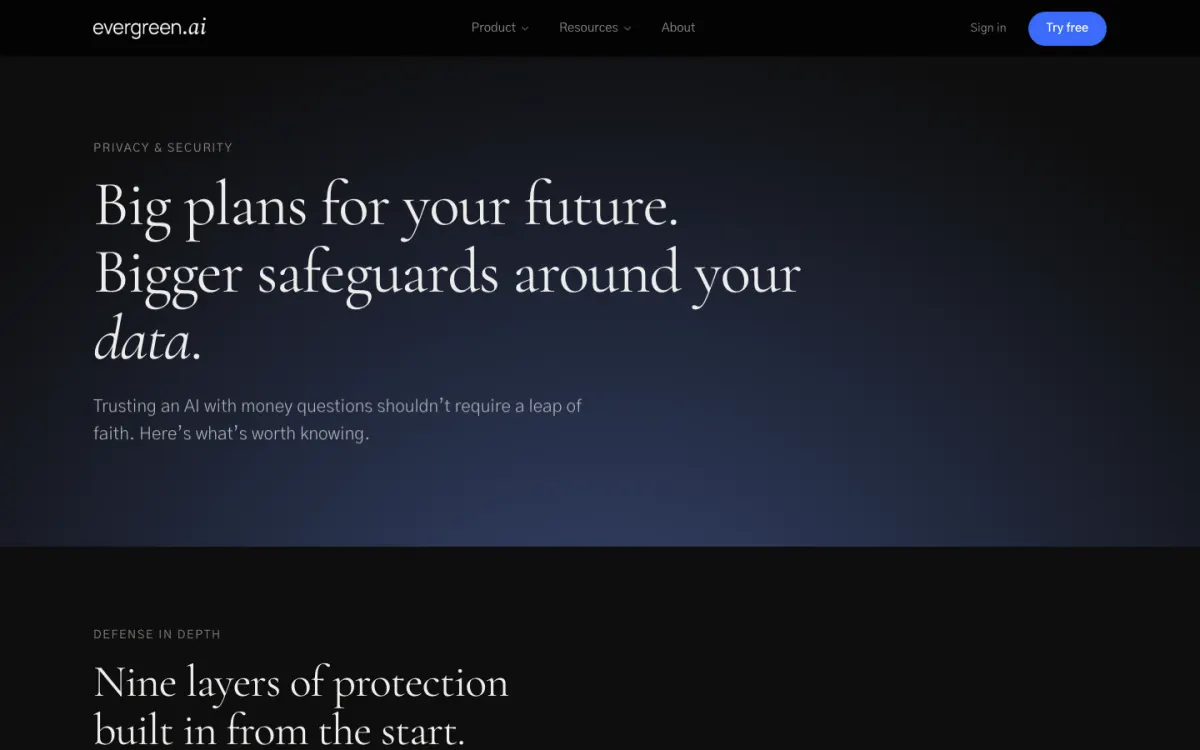
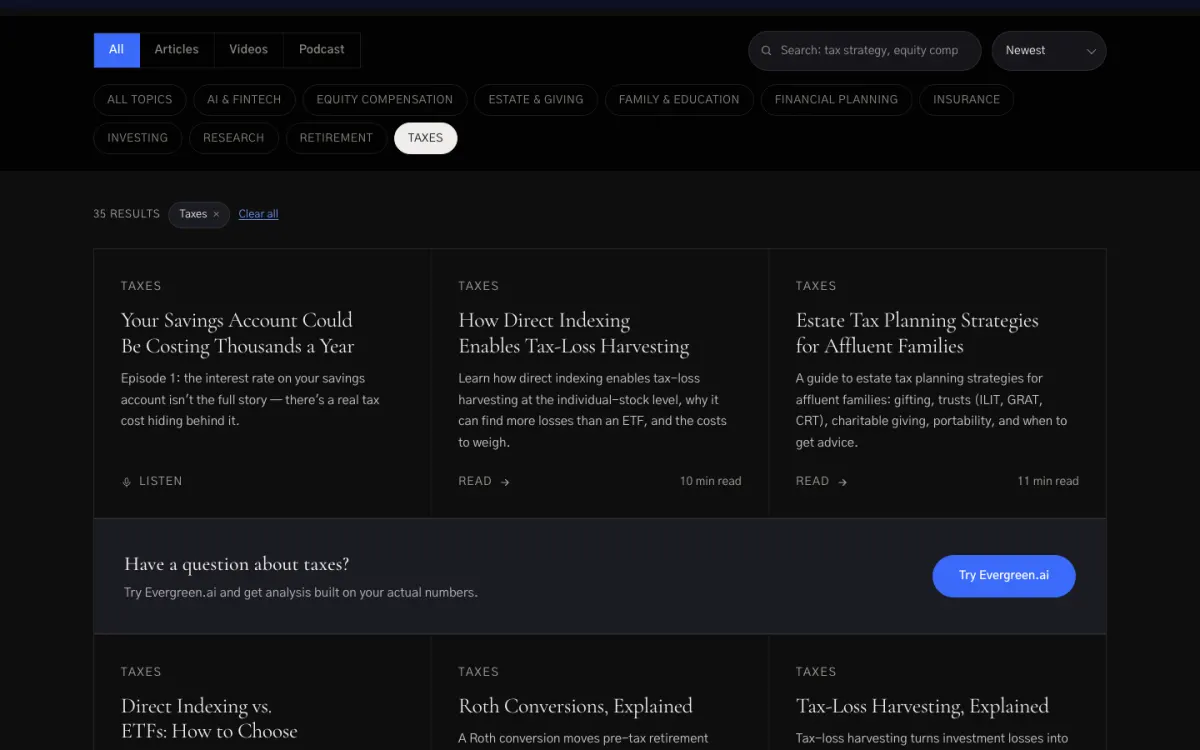
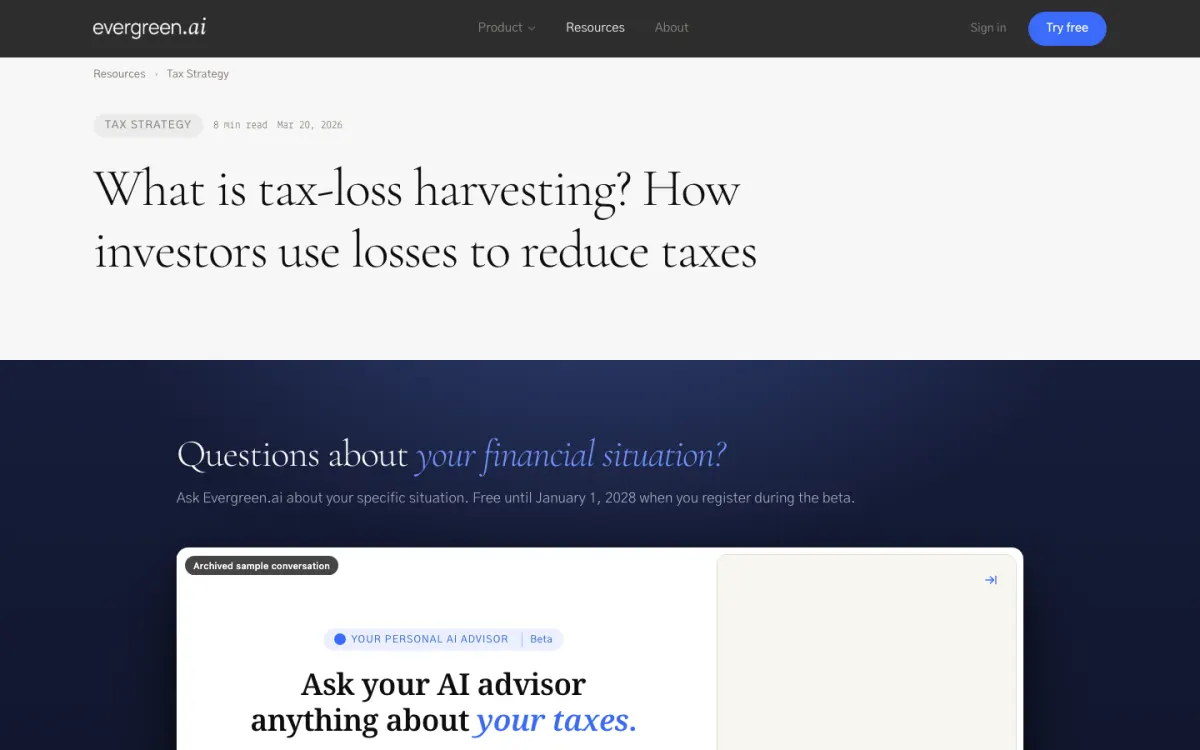
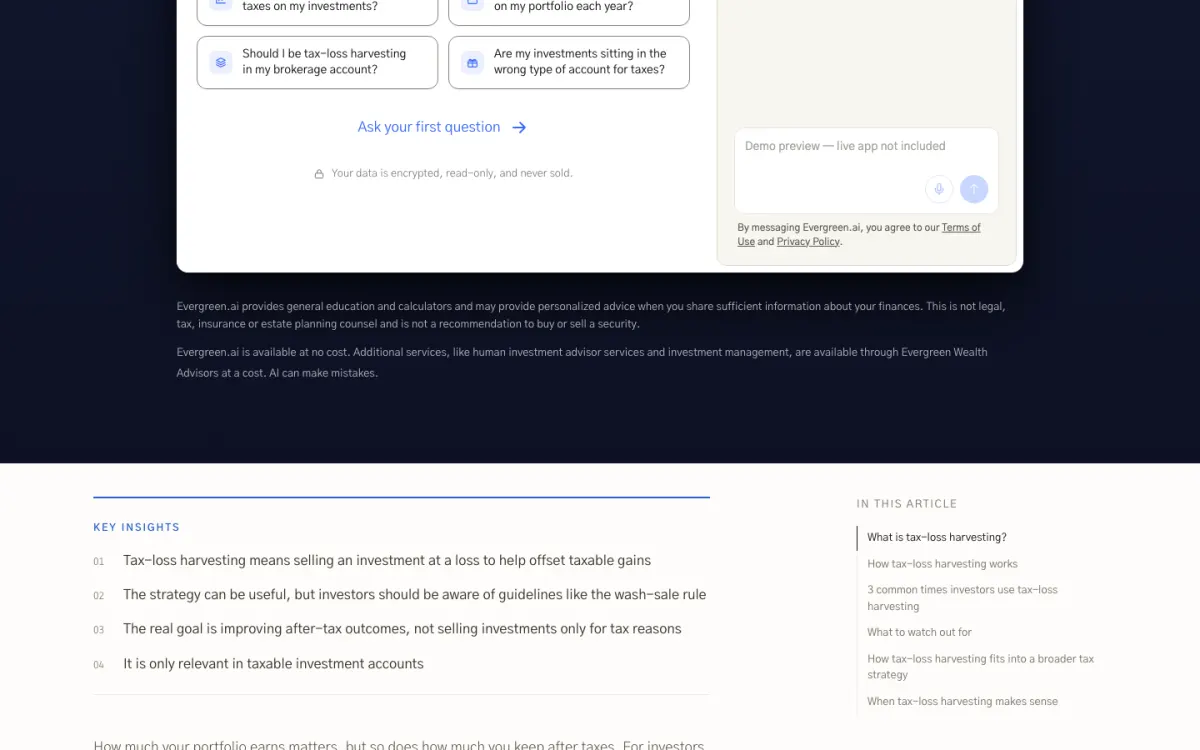
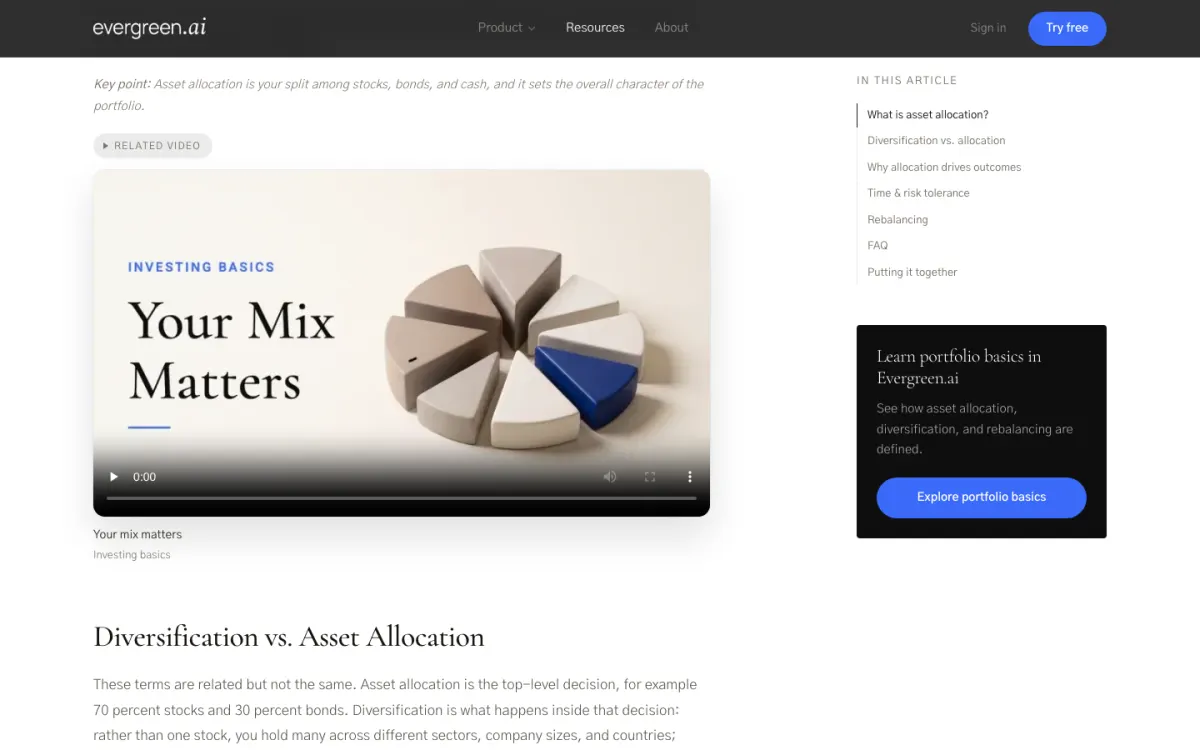
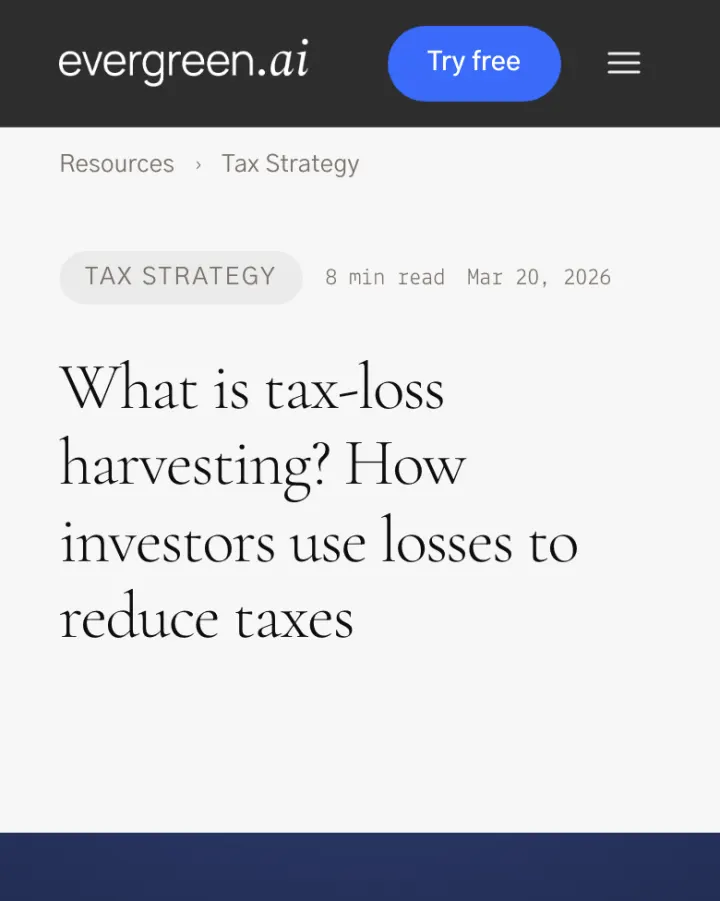
The same template carried the whole library, so each new article was an upload and a switch, not a design project.


Within 11 weeks, 82% of library articles were showing up in Google. Google clicks to evergreen.ai grew more than 120x on the month before launch, and the site's average position climbed into the top five.
The library, live and indexed
Source: the production sitemap and the Google Search Console page report. Shares of the full library.
Google clicks to evergreen.ai, against the month before launch
Source: Google Search Console.
| Result | What it means |
|---|---|
| 120 pages | Live on launch day: 7 core pages and 113 articles |
| 85 articles | Net-new for launch, plus 28 rebranded; 22 carry a video |
| 82% | Library articles earning Google impressions within about 11 weeks |
| +90% | Combined brand search clicks through the rebrand, with impressions up 107% |
| Top 5 | Average Google position for evergreen.ai in the two weeks after launch |
| 10x | Growth in distinct library articles read each month, over about five months |
| 45 articles | SEO articles delivered for my review in 13 weeks, by the agency program I directed |
| +94% | Bing AI citations, with the brand named first in each of 12 branded AI prompts |
…the volume of great content that Ashley is producing for the purpose of SEO/AEO.
The CEO and founder
The launch built the system. Volume comes next: my plan for the following quarter mapped 200 content opportunities in 32 clusters, with production raised to about 50 articles a month.
The AEO agenda I set benchmarks 25 non-branded ChatGPT prompts and tests the channels AI models cite most: long-form YouTube and named-author LinkedIn posts. Each article becomes a source an assistant can quote.
Retirement calculators draw about 301,000 searches a month and 401(k) calculators about 165,000. On the previous site I built the calculators myself; on the new site I used the calculators already in the app and embedded the app on the page. Pairing each cluster with a tool turns a reader into a user, and gives AI answers something to link to.
One template, one switch per page and a page registry mean pages by profession, state or life event can ship as data. Tax brackets, contribution limits and exemptions change each year, so each article gets a refresh date, timed to the tax calendar.
Build the system before the volume. One template, one switch per page and one compliance path turn a content library into infrastructure: each new page costs less than the last, and nothing ships that a search engine, an AI assistant or a regulator cannot trust.