Ashley Rousseau Work with me
Case file 03 of 07 AI content operations, shipped as a company plugin Evergreen Wealth and Evergreen.ai, about nine months

60 skills. Six functions. 22x the output.

I designed and built the Creative Factory, an AI system that automates creative drafts, fact-checking and compliance checking. I packaged it as a company plugin, so a lean marketing team could publish at agency volume across formats.

60 skills in the company plugin, from research to publish
6 functions across the company used it
22x growth in monthly output, in about four months
SEO and AEO blogsExecutive thought leadershipSocial campaignsIn-app videoPaid creativeLanding pagesPodcast bookingCompetitive intelligenceResearch reports
01
The situation

Agency volume, a lean team, and each word regulated.

Company
Evergreen Wealth, an SEC-registered investment adviser, and Evergreen.ai, its consumer AI financial-advice app

The CEO and founder wanted content at scale: blogs, newsletters, social, video, ads and app screens, from a lean marketing team.

Faster drafting alone would only grow the review queue. So I built a system: skills that research, write in each executive's voice, design, edit video and publish, packaged so anyone on the team could install it.

The constraint

A lean team, agency volume, formats from blogs to in-app video, and each word an SEC-regulated advertisement.

02
My part

What I owned.

I owned
  • The architecture: three layers, five skill tiers and the operating rules each skill follows
  • The 60 skills: written, adapted, or selected and integrated from open source
  • The distribution: a company plugin with automatic updates and a multilayer memory system
  • Training sessions and touchpoints, the plugin user guide, the tester quickstart and the test suite
03
The calls I made

The calls that turned a tool into a company system.

1

Skills, not prompts

My rule for the system: language models are probabilistic, and business logic is deterministic. Each skill pairs written instructions with tested Python, so file handling, document edits and logs run as code. The AI handles judgment: research, voice and rewrites.


2

The blog is the source asset

Social posts and videos are repurposed from blog content, so one round of research feeds each channel. Ads run from pain-point research and campaign briefs, and landing pages follow the ads.

3

A plugin, not a prompt library

I built it as a plugin and AI harness that users import once and that updates automatically. Reviewers open the Google Docs it writes with nothing to install.

4

Each failure becomes a test

I ran a live end-to-end test of the system and wrote up each defect in a detailed hand-off. That became a shared bootstrap for the scripts, a regression guard and a test suite. I also spotted newer models going beyond the skills' instructions in production output, and flagged them for recalibration.

04
The architecture

From brief to publish, on one skill set.

Five stages and three layers. Each pipeline, from a blog cluster to an in-app video, runs on the same skills and ends in the same place.

01 Brief

Research and plan

Topic clusters, keyword and answer-engine research, competitor intelligence and campaign briefs.

Search researchTopic clustersCalendar
02 Produce

Make each format

Brand and executive voice writers, video scripts and editing, thumbnails, ad creative, social visuals and landing pages.

WritersVideoAds
03 Gates

Compliance, built in

Each pipeline ends with a fact-check gate and an SEC Marketing Rule gate, then human approval with the audit trail in the document.

The gates, case file 04 →
04 Publish

Ship to each channel

Filed to the shared review drive, then live on the website behind marketing-controlled release flags, in social and in the app.

Review driveRelease flags
05 Learn

Feed the next brief

A competitor watchlist, pattern library and periodic reports, plus a loop that brings what performed on owned accounts back into the skills.

WatchlistPatternsReports
Layer 1, directive

What to do

A written procedure per skill: goal, inputs, tools, outputs and edge cases.

Layer 2, orchestration

What to decide

The agent reads the procedure and calls tools in order. One orchestrator runs a whole topic cluster: research, writing, verification and upload, article by article.

Layer 3, execution

What must not vary

Deterministic Python in each skill's scripts folder and a shared library, so the same input gets the same handling each time.

05
Inside the plugin

A system people install, not a prompt they paste.

  • creative-factory/
    • hooks/session-start Installs dependencies and loads connectors when a session opens
    • rules/ The methodology, skill conventions and a migration guide
    • mcp.json Bundled research, search-data and video connectors
    • skills/60
      • Tier 1, governing fact-checking and compliance checking
      • Tier 2, shared utilities research, Google Docs handling, a shared code library
      • Tier 3, production blogs, web copy, executive voices, video, ads, social
      • Tier 4, distribution landing pages, social visuals, video rendering, booking
      • Tier 5, recordkeeping audit logs and compliance filing
The plugin's structure, rebuilt from the installed version. It updates itself when the source changes.

Skills in the company plugin, as it grew

Company launch
Video and booking skills added
Content intelligence added

Skills I wrote or adapted, plus open-source skills I selected and integrated for marketing craft, HTML-to-video rendering, avatar video and research.

Testers

Clone and go

A private repo, a setup script and a quickstart that gets a tester running in minutes.

Company-wide

Import once

Users import the plugin once, and each update arrives automatically. A multilayer memory system carries context from one session to the next.

06
What it made

Output that grew month over month.

Blogs, executive newsletters, social campaigns, in-app videos, ads, competitor reports and the Financial Decisions Study package, from one plugin.

Files created in the factory's shared workspace

The month it shippedBaseline
Month two+350%
Month three+1,050%
Month four+2,088%

Source: the shared drive listing. Growth is measured against the month it shipped.

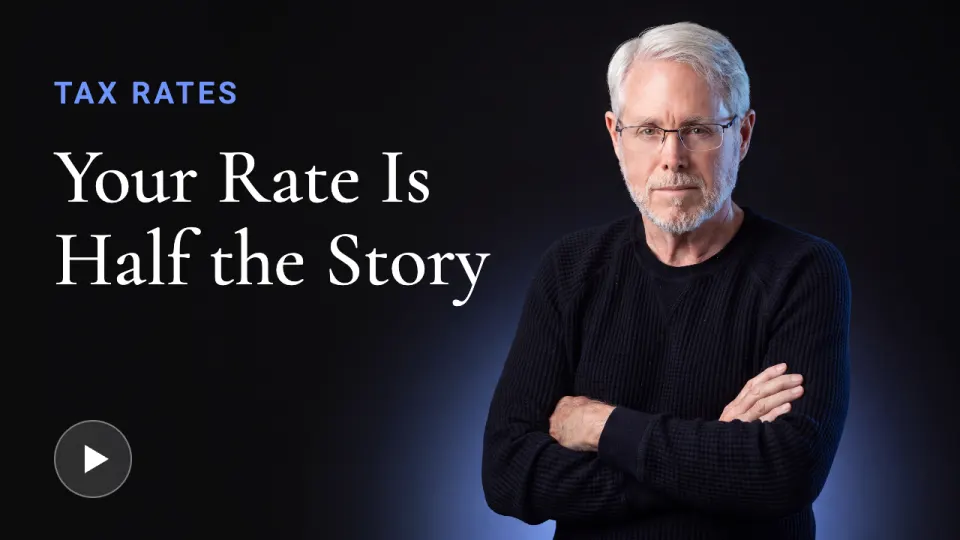
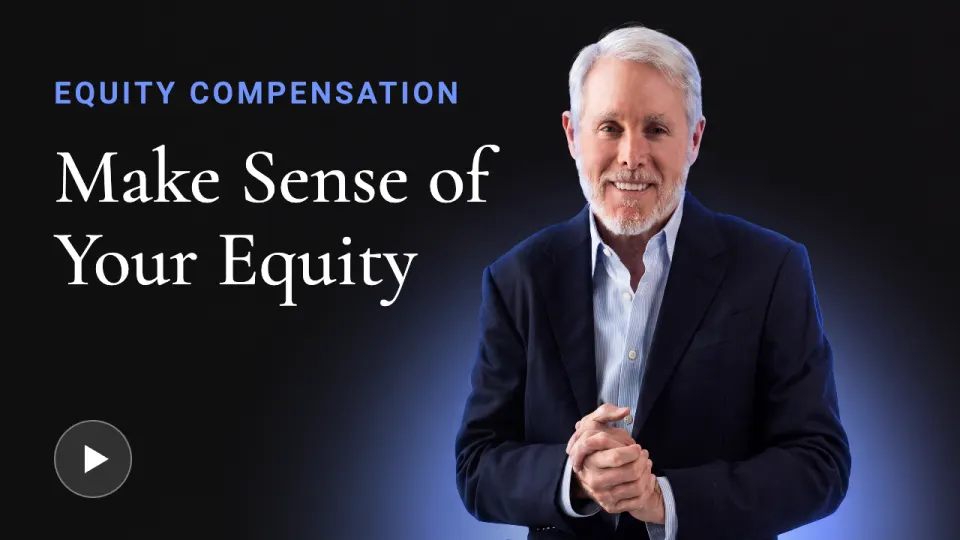
Thumbnail for a retirement accounts video with the CEO and founder on camera: Pay Tax Now or Later? Thumbnail for a college savings video: Time is One of Your Biggest Advantages Thumbnail for a life insurance video with the CEO and founder on camera: Coverage for Now or Life? Thumbnail for a Social Security video with the CEO and founder on camera: Timing Changes Your Benefit Thumbnail for a tax rates video with the CEO and founder on camera: Your Rate Is Half the Story Thumbnail for an investing basics video: Your Mix Matters Thumbnail for a healthcare in retirement video: The Costs Medicare Doesn't Cover Thumbnail for a charitable giving video: The Tax Side of Giving Thumbnail for an equity compensation video with the CEO and founder on camera: Make Sense of Your Equity
Nine in-app video thumbnails from one skill: the CEO and founder on camera or generated imagery, brand type and a play button, at 1280 by 720.
SEO and AEO blog engine

16 topic clusters

Cluster planning, search and answer-engine research, the blog writer and both gates: 46 long-form drafts, about 116,600 words, built around the app's features.

Executive thought leadership

Newsletters in the CEO's voice

An orchestrator picks the keyword, then the right executive voice writer, with validators for length and hooks, written in the CEO's voice and the CTO's.

Social campaigns

Posts and carousels

A social series on AI in your financial life, a launch campaign and carousels, rendered against the brand stylesheet.

In-app video

Script, edit, thumbnail

First scripts about a day after the ask and dozens more within days. The first 13 finished videos started the recording pipeline, each with a re-edit guide and a branded thumbnail.

Research report

The study package

The Financial Decisions Study's flagship report, mini-report, regional and topical briefs, infographics and press kit: 34 assets, each with its own check documents.

Competitive intelligence

What to make next

I built a competitor and creator watchlist, a pattern library of what wins, and weekly or monthly reports that turn into briefs.

07
Who used it

Adopted across six functions.

Hands-on use was marketing, the CEO's office and compliance, and colleagues across the firm got access and training.

Marketing

Marketing ran content through it daily, from blogs and newsletters to ad imagery, video and landing pages.

The CEO's office

The CEO and founder sent his own drafts through it for accuracy and compliance, and got access to its shared workspace.

Compliance

The Chief Compliance Officer used it in review, and an outside compliance advisor also reviewed the process.

Firm-wide access and training

Colleagues across the firm got access to the system and training on AI workflows.

This is an important step forward toward our strategic goal to automate the creation of content and code using human-designed systems and criteria.

The CEO and founder
The principle

Build the system, not just the content. Encode the voices and the process as skills, run what must never vary as code, and ship it where people already work. Then a small team publishes like an agency.

For your brand

An AI content system, packaged for your team.

  1. 01Map your workflows and who signs off on what
  2. 02Make your strongest asset the source for each channel
  3. 03Encode your brand and executive voices as skills, not prompts
  4. 04Ship it as a plugin your team imports once and that updates automatically
  5. 05Turn each failure into a test, so the system gets more reliable with use
  6. 06Train the team in layers, from firm-wide sessions to self-serve guides